
Headless Commerce Explained: Why Monolithic E-Commerce is Dead

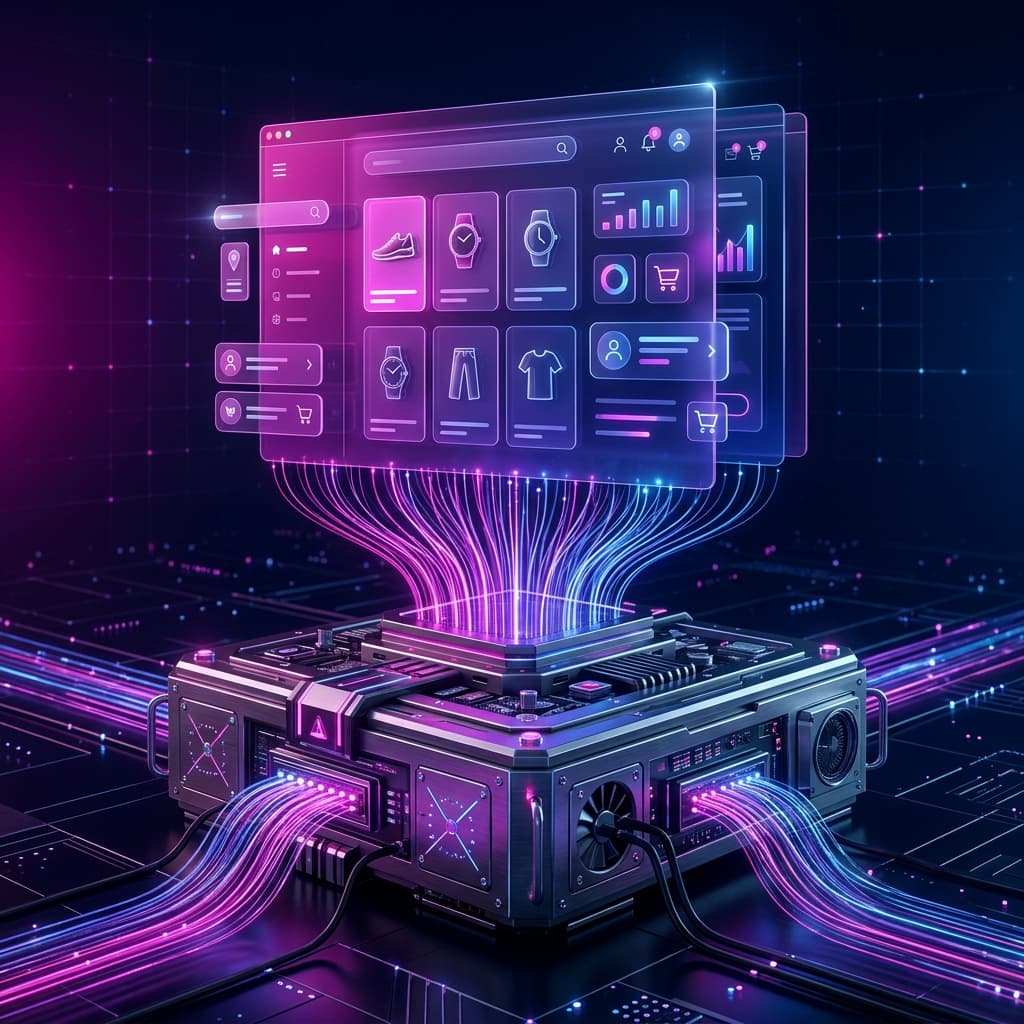
If your Shopify or Magento store takes more than 3 seconds to load, you are losing 40% of your customers. Learn why Enterprise B2B brands are migrating to Headless Commerce architectures.
I recently audited a massive B2B wholesale platform that was doing $10M in annual revenue. They had a beautiful Shopify Plus store, but there was one glaring problem: the website took 4.5 seconds to load on mobile. When we dug into the analytics, we found that 43% of users were bouncing before the first product image even rendered.
The CEO was frustrated. "We pay top dollar for our platform, why is it so slow?"
The answer is architectural. They were using a Monolithic architecture, where the frontend (what the user sees) and the backend (the database, checkout, plugins) are tightly coupled into one massive, slow block of code. In 2026, relying on Monolithic architecture for high-volume enterprise e-commerce is digital suicide.
Here is why Headless Commerce Development is the only way forward for scaling enterprises.
1. What is Headless Commerce? Simply put, "Headless" means we chop the head (the frontend UI) off the body (the backend engine). The backend is managed by an e-commerce engine (like Shopify Plus APIs, BigCommerce, or a custom Node.js backend), but the frontend is custom-built using ultra-fast frameworks like Next.js or React. They communicate seamlessly via APIs. The result? Sub-second page load times.
2. The Speed to Revenue Correlation Amazon famously calculated that every 100 milliseconds of latency cost them 1% in sales. By switching to a Headless architecture, we typically reduce mobile load times from 4 seconds to under 1 second. This single technical upgrade often results in a 20% to 35% immediate boost in conversion rates. Speed is revenue.
3. True Omnichannel Experiences With a monolithic platform, you are restricted to a standard web browser. But with a Headless backend API, you can push your products to a custom iOS App, an Apple Vision Pro AR store, a smart refrigerator, or a smartwatch—all pulling from the exact same inventory database simultaneously.
4. Complete Creative Freedom Standard platforms force you into rigid "themes." If you want a highly interactive, 3D product configurator or a highly animated scrolling experience, standard themes will break. A custom Next.js frontend gives our designers total freedom to build award-winning, bespoke user experiences that your competitors simply cannot copy.
Frequently Asked Questions (FAQ)
Q: Do we have to abandon our existing backend data? No. One of the best parts of Headless is that we can keep your existing Shopify or Magento backend intact (so your warehouse team doesn't have to relearn anything). We simply disconnect the slow frontend and replace it with a blazing-fast custom UI.
Q: How does Headless affect SEO? It turbocharges it. Because Headless sites (using Next.js Server-Side Rendering) are incredibly fast and semantic, they achieve near-perfect Google Lighthouse scores, drastically improving your organic search rankings.
Stop losing customers to slow loading screens. Contact our engineering team to map out your migration to a Headless Architecture.